Whole-home surge protection for your house
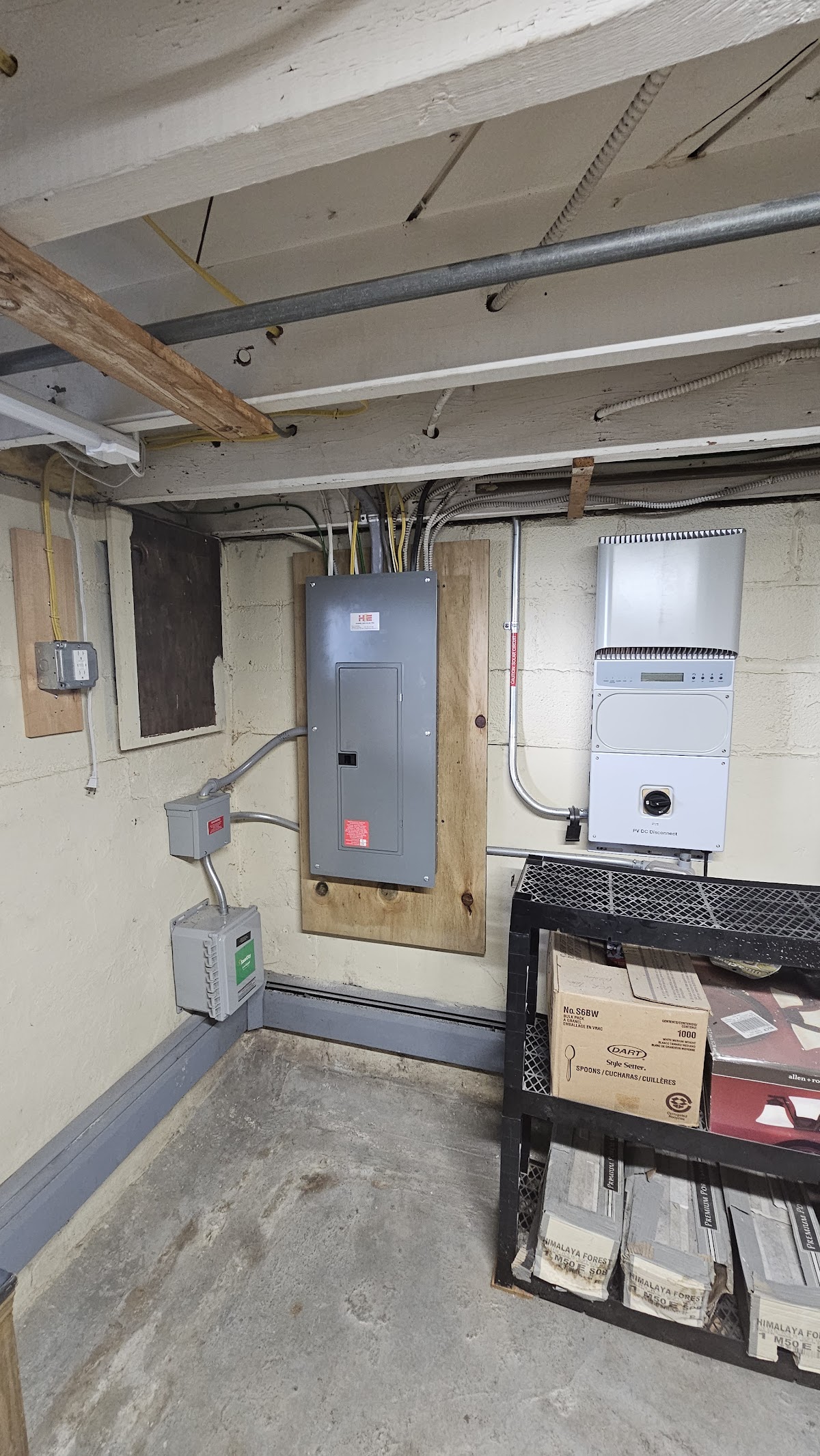
Whole-home surge protection is a small device that guards your whole house from power spikes. It mounts at your electrical panel. When a surge hits, it shunts the extra power to ground before it reaches your stuff. Bruce installs these all over Central NJ. He has been a Master Electrician since 1988.
A surge is a quick burst of extra voltage. Lightning can cause one. So can the power grid. So can big motors turning on, like your AC or a well pump. Even small surges add up over time. They wear down sensitive electronics.
How a surge protective device works
The device at your panel is called a Type 2 SPD. SPD means surge protective device. It sits between the power coming in and the circuits in your home.
Most of the time it does nothing. It just watches. When voltage spikes above a safe level, it acts fast. It opens a path to ground and dumps the extra power. The spike never reaches your wiring. Then the SPD goes back to watching.
It works in a fraction of a second. Faster than you can blink.
Surges happen more often than people think. A nearby lightning strike is the obvious one. But most surges come from the grid itself or from inside your home. When your AC compressor kicks on, it can send a small spike down the line. So can a well pump or a big motor. These small spikes are too quick to notice. Over months and years they wear on the electronics in your house.
What it protects
A whole-home SPD protects everything plugged into your house. Some things to think about:
- Your HVAC system, the furnace and the AC
- Big appliances like the fridge, washer, dryer, and oven
- Your TV, computer, and game systems
- Smart devices like thermostats, cameras, and door locks
- The boards inside LED lights and dimmers
Panel SPD versus power strips
You may already use power strips with surge protection. Those are point-of-use protectors. They only guard what is plugged into that one strip. They also wear out and most people never replace them.
A Type 2 SPD at the panel protects the whole house at once. It catches the big surges before they spread. The two work well together. The panel SPD is your first line of defense. A good strip adds a second layer for a sensitive item like a computer.
If you only do one, do the panel SPD. It covers far more.
Why it is cheaper than the alternative
Here is the math. A whole-home SPD is a small cost. Replacing a fried furnace control board, a dead fridge, or a ruined TV is not. One bad surge can cost you thousands in damaged gear.
Think of the SPD as cheap insurance. You pay a little once. It guards everything for years. If it ever takes a big hit and uses itself up, it shows a light so you know to swap it. Most last a long time.
Best done with a panel upgrade
The best time to add an SPD is when you upgrade your panel. The panel is already open. The wiring is exposed. Adding the SPD then is quick and clean.
If your panel is old, full, or only 100 amps, it may be time for an upgrade anyway. Signs you need a panel upgrade include flickering lights, breakers that trip a lot, or an old fuse box. We can do the upgrade and add the SPD in one visit. That saves you money on labor.
You do not have to wait for a panel upgrade though. We can add an SPD to most modern panels on its own.
We pull the permit
Panel work in NJ needs a UCC permit. We pull it and get the work inspected. We work with PSE&G and JCP&L when needed. When you call Harrelson Electric, you get Bruce.
Call (800) 732-0585 to add whole-home surge protection.